
Produce
In elementary school I learned about morning glory, bleeding hearts, and maple trees in the small space bordering our back patio. I then grew my first food, lemon cucumbers, sturdy and bristly pale yellow fruits filled with large seeds. I felt so proud.
I have a real backyard now, for the first time in my life. Roses line the side of our house, rhubarb has started to peek out already, stubborn parsley survived the winter. I manifest my harvest this upcoming summer, biting into juicy and tart cherry tomatoes warmed by the sun, picking tender leaves of chard. What a classic; the girl who grows up in the city strives for connection to land, to dirt, the feminine ease of a freshly procured meal.
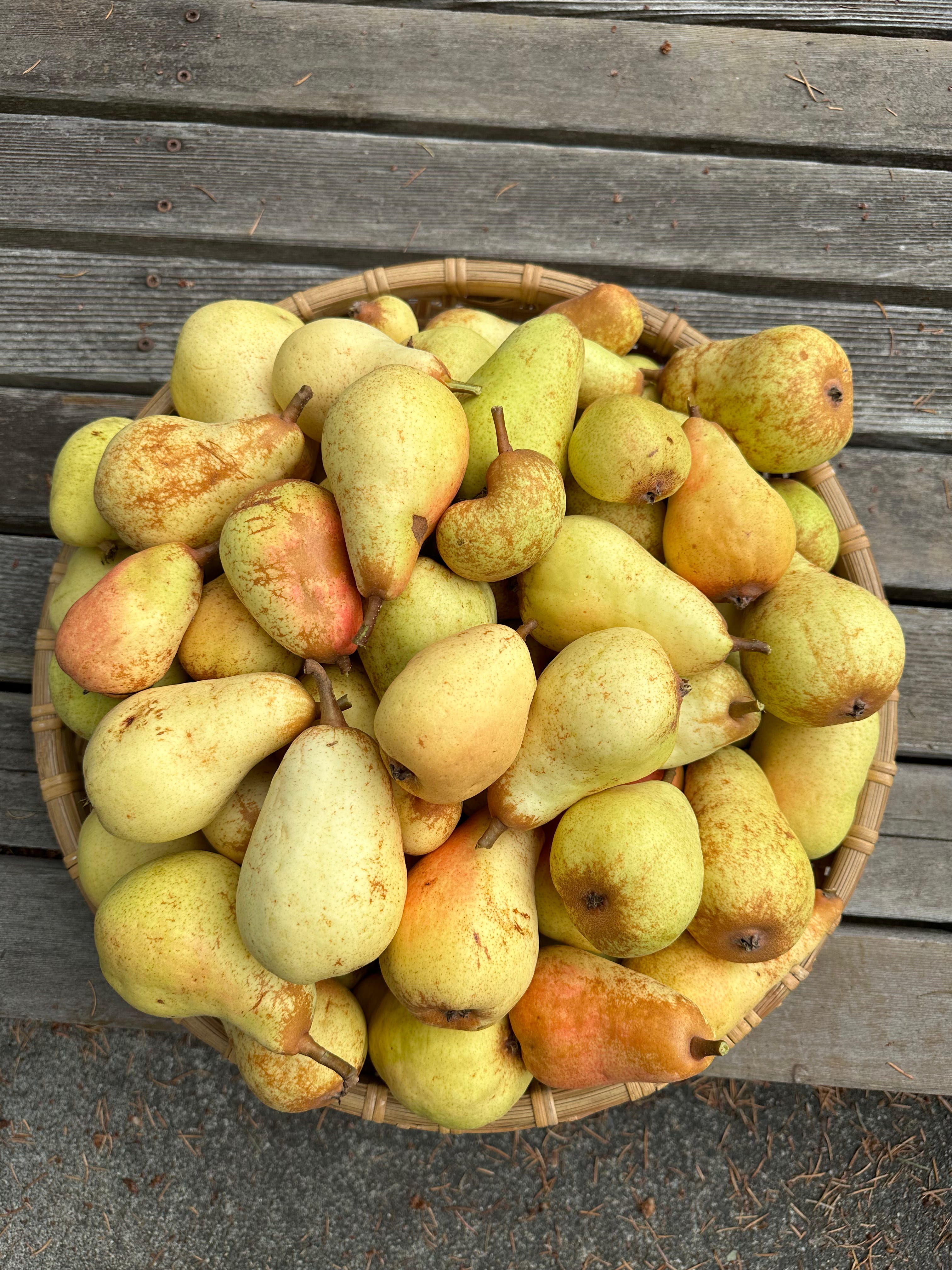
The women in my family have always known how to garden. My grandmother grows plums and pears, their legacies lasting all year in jams and in the freezer. Her plants are tidy and happy, and I can hardly blame the deer for wanting to walk the paths behind her house and munch on leaves and berries. My mother was so successful growing tomatoes last year she couldn’t eat them all. In the summer she has zucchini and strawberries, and come fall her persimmon tree is laden with orange orbs. I visit and she shares with me, saving the ripest strawberry so I can pick it.
Where does this knowing come from? Is there a gene for growing food hidden somewhere in mitochondrial DNA? I call my mother, ask her about different sun exposures and when to plant things in our yard. I think about how it wasn’t until recently that women could have their own credit cards. I think about women brought to new continents against their will, bringing seeds and vast amounts of knowledge1. I think about the necessity of producing your own food when you have less control over other aspects of your life. Or that choice, that wisdom, being removed.
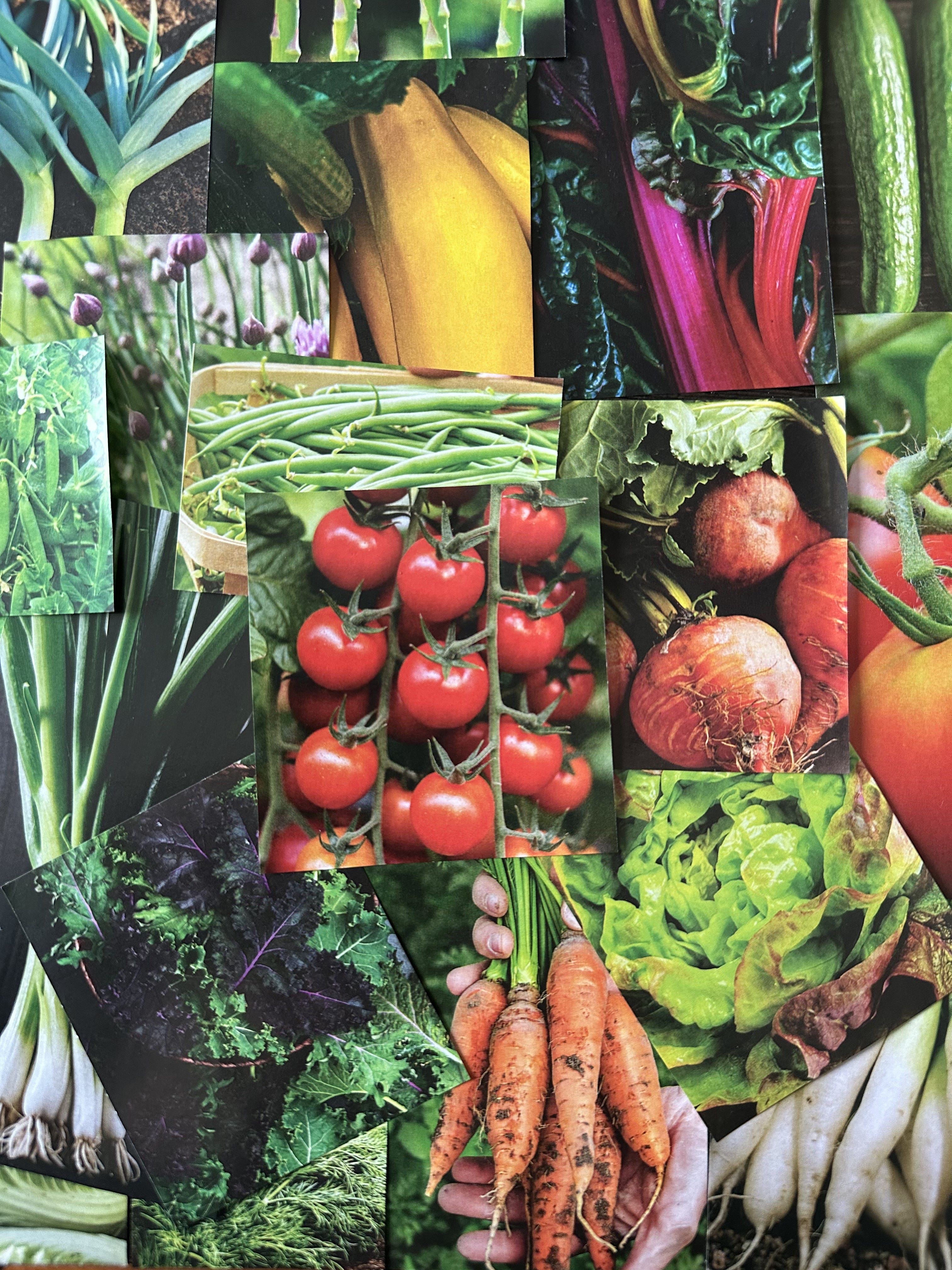
Flipping through a seed catalog, I rip out everything that appeals; green beans, dill, napa cabbage. I make a collage of these possibilities. My grandparents come over and my grandmother says nasturtiums grow quite well here. We remark that they taste peppery, but I’m not sure how I know that. My partner and I group the clippings in piles. Bok choy and swiss chard are in. Peas and leeks don’t make the cut. I want to start now, but it is too early to plant anything or to go to the garden store. Snow still dusts our front yard. I take notes and imagine warmth, soil, earthworms, healthy food systems.
Mok, Aaron. “The Preservation of Culture Begins with a Seed.” Sierra The Magazine of the Sierra Club, Sierra Club, 27 Feb. 2021, www.sierraclub.org/sierra/preservation-culture-begins-seed.